How to Find Furniture Dupes That Look Expensive (and Are Worth Buying)
How to find furniture dupes: what makes a piece look expensive, how to judge a lookalike on materials, joinery, proportions and finish, and when to build.
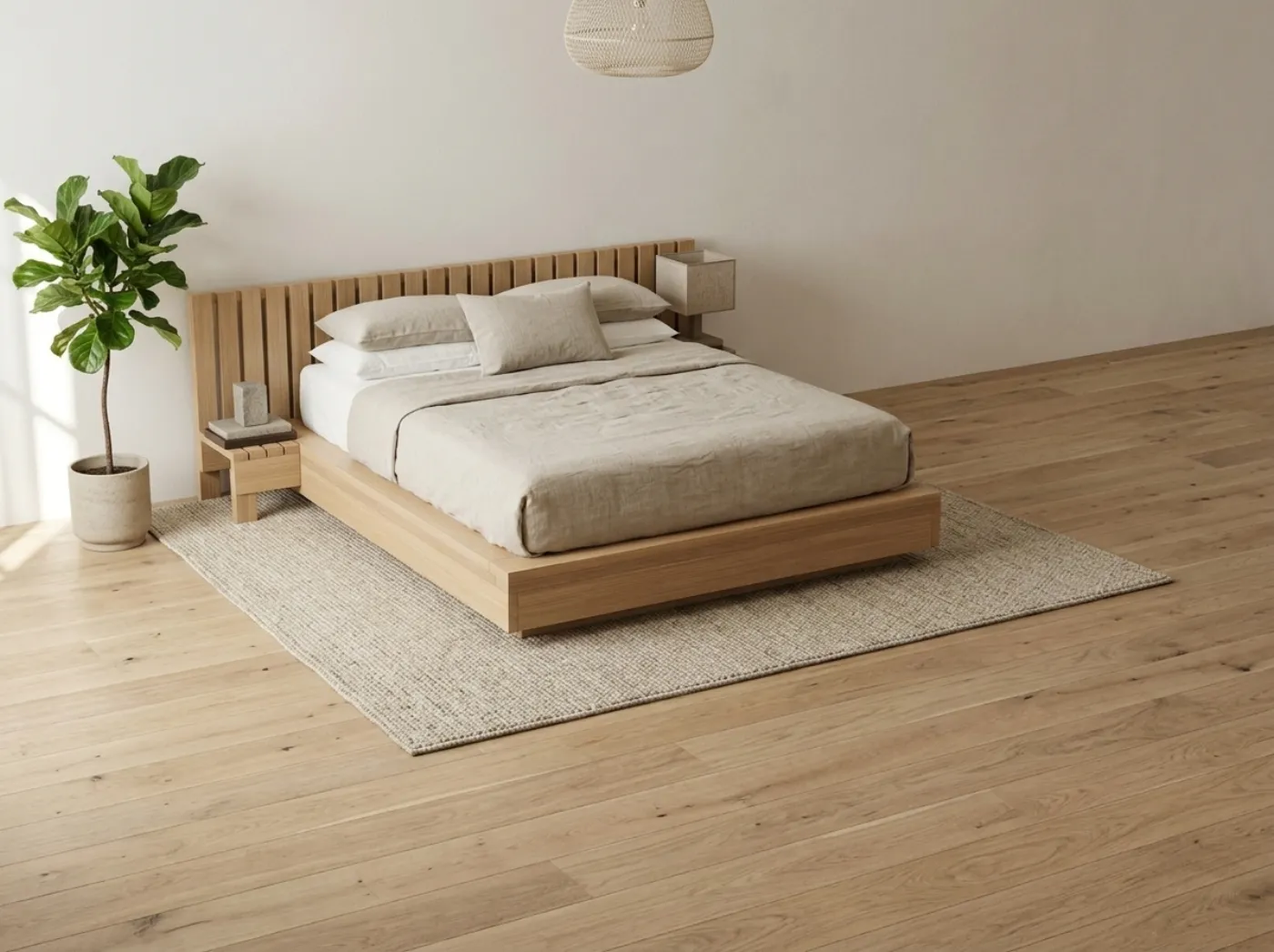
Learning how to find furniture dupes is mostly learning to look at a piece the way a furniture maker does. A dupe is a lookalike for a pricier design, and the good ones copy the features that create the impression of quality, not just the silhouette in the product photo. The bad ones copy the photo and cut everything else. This guide explains what makes a piece read as expensive, how to judge a lookalike on its materials, joinery, proportions and finish, how to search by material and dimension, how to approach a furniture dupe website or marketplace, and when building the piece yourself is the better answer.
We are not recommending any specific retailer here, and nothing below is a promise about any product. It is a method for reading listings honestly.
What makes furniture look expensive
If you strip away branding, expensive-looking furniture has a handful of qualities in common.
Mass in the right places. Thick tops, substantial legs, deep seats, wide rails. High-end pieces use more material where you see and touch it. Thin parts look cheap even when the material is good.
Real material you can read. Visible wood grain with natural variation, stone with veining that is not repeating, fabric with texture. Printed surfaces repeat; real ones do not.
Proportion. A coffee table that is two thirds of the sofa length, a bed whose headboard is the right height for the wall, a console that is the right depth for the hallway. Proportion is the quiet reason designer rooms look composed.
A consistent finish. An even stain, a sheen that stays low and a color that stays within a narrow family. Cheap pieces mix too many tones, or use a high gloss that reflects the room unpredictably.
Detail at the edges. Eased corners, clean joints, consistent gaps between drawers and doors. This is where machine tolerances show.
How to judge a lookalike
Use four checks on any listing, in this order.
1. Materials
Read the material line. “Solid wood” should name the species or at least say what the frame, top and legs are made of. Terms to distinguish:
- Solid wood: lumber, with grain running through the thickness. The strongest and most repairable.
- Veneer: a thin layer of real wood over a core of board. Can look excellent, but chips at the edges and cannot be refinished deeply.
- Engineered board (MDF, particleboard): stable and smooth, but weak at screw points and sensitive to water.
- Laminate or printed film: a printed surface over board. It resists some wear, but you cannot repair it invisibly.
- Plywood: layered wood veneers, strong and stable when it is a good grade, and a perfectly respectable furniture material.
None of these is automatically bad. The mistake is paying a solid wood price for a veneered board or accepting a laminate and expecting wood behavior.
2. Joinery
How the parts connect decides how long the piece stays tight. Mortise-and-tenon, dowels with glue and bolted leg plates hold up. A few cam fittings in particleboard hold up less well, particularly on pieces that are moved or knocked. For beds and tables, which take racking forces, look for bolts and brackets over small screws. Reviews that mention wobbling after several months are the best evidence available to a shopper.
3. Proportions
Check the numbers, not the picture. Record the dimensions that matter for your room, such as length, depth and height. Then compare them against the listing. A common failure is a lookalike that has the right outline at the wrong scale, such as a console that is only 10 in deep or a dining table that is too small for the number of chairs shown in the photo.
4. Finish
Finish is what you touch and see. Look for a description of the finish type. For a table, a durable topcoat matters. For outdoor furniture, a protective finish matters even more, and it will need renewing. If the listing says nothing, assume the finish is basic.
Searching by material and dimension
A search for a brand name returns marketing. A search for the features returns products. These approaches help.
- Search the material and the form, not the brand. “Solid acacia wood coffee table” or “solid wood platform bed frame” returns products described by what they are. Add the finish or era, such as walnut or mid-century.
- Add a dimension. “26 inch counter height stool” or “72 inch dining table” narrows listings to the size you need and reveals which sellers state sizes clearly.
- Use the style vocabulary. Terms such as trestle, tapered leg, fluted, slatted and cane are useful search words because sellers use them for features.
- Read the questions and answers. Buyers often ask the question you would ask, such as whether the top is veneer.
- Scan the lower-rated feedback first. A theme in complaints, such as cracked legs, is more informative than praise.
- Compare three or four. If two listings share identical photos under different brand names, they are likely the same factory product, and the difference is the seller.
Furniture dupes on Amazon
Furniture dupes on Amazon are plentiful because many manufacturers sell there directly, and the range from careful makers to opportunists is wide. The method above works particularly well on large marketplaces, since each listing gives you enough data points to check. A few examples of what a well-described lookalike looks like follow.
AMERLIFE solid wood queen bed frame in walnut
Described in its title as solid wood with a mid-century profile and a full panel headboard. It is a useful example because the listing states the material, the style and the headboard type, which are the things to check.
Plank+Beam Classic 72 in dining table
A 72 in rectangular table that states its size, shape and finish options in the title, and describes non-toxic finishes. A listing that leads with facts is easier to evaluate than one that leads with adjectives.
Theirplace solid wood mid-century console table
A console stated as solid wood, with a mid-century entryway style. It is a good example of a narrow piece where you should still check the depth against your hallway.
If you would like category-specific lists, we have written style guides for Crate & Barrel coffee tables and bed frames, West Elm style furniture, RH-style outdoor furniture and dining tables, and Serena & Lily style counter stools.
A word on the furniture dupe website
People sometimes search for a furniture dupe website, a single site that lists lookalikes for named designer pieces. Treat such sites as starting points, not verdicts. They can save time by pairing names with candidates, but the matching is often done by appearance alone. Verify any match against the checks above, and be cautious with a site that never shows you the dimensions or material of what it recommends.
When building beats buying
A lookalike has limits. You cannot change its size, and its material is whatever the factory chose. Building gives you control, and for several categories the savings are large because the structure is simple lumber.
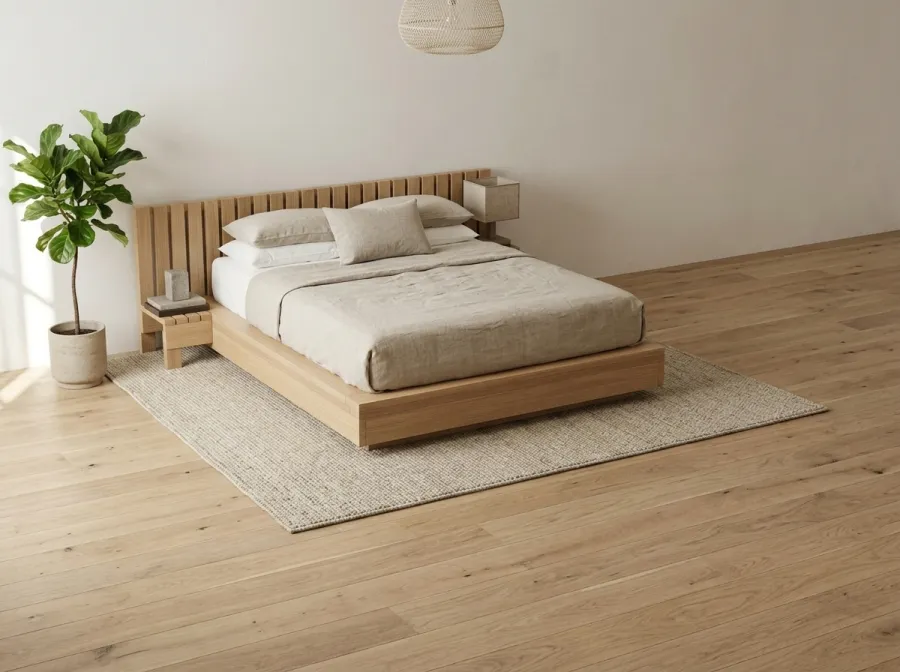
Beds. Our Low Platform Bed plans describe a solid wood platform bed built from standard 2x4, 2x6 and 1x4 boards. Materials are estimated at about $380 to $550 for a twin and about $510 to $730 for a queen, against finished solid wood platform beds listed at about $399 to $1,799 in the plan data. The platform bed cost guide shows the breakdown.
Bunk beds. The Heirloom Bunk Bed plans cover a bunk bed with a storage staircase or a ladder. Twin over twin with a ladder is estimated at about $410 to $590 in materials, and with a storage stair at about $990 to $1,420. Comparable finished bunk beds in the plan data are listed at about $1,199 to $1,749. Bunk beds carry a safety responsibility, so read the guide to bunk beds with stairs and follow every guardrail and mattress note in the plans.
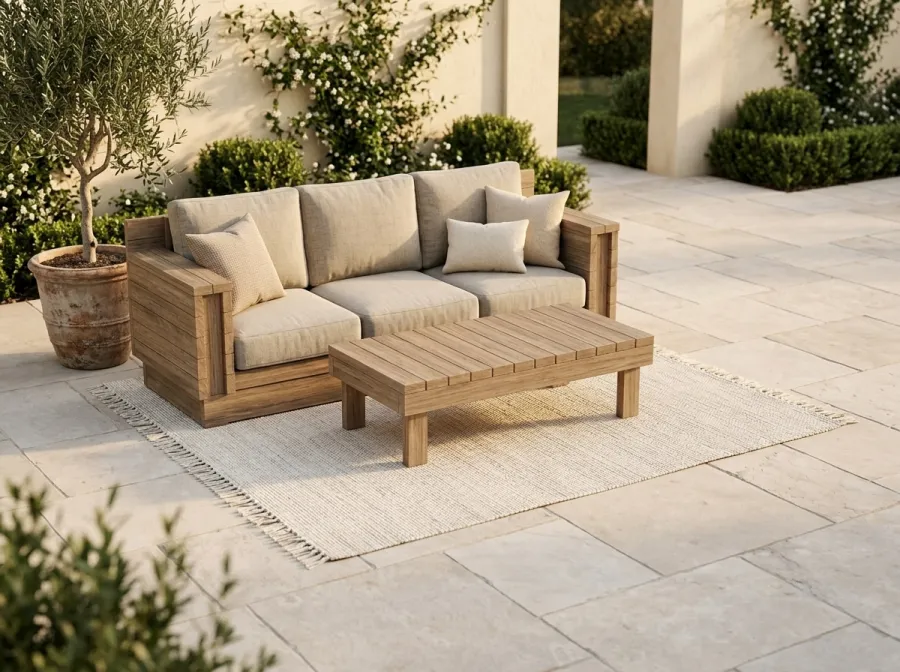
Outdoor seating. The Coastal Platform Sofa plans describe a low outdoor platform sofa, with a 3-seat sofa at an estimated $340 to $490 in materials and a loveseat at $270 to $400. Cushions are extra. Finished outdoor sofas in the plan data are listed at about $699 to $3,298; read the outdoor sofa cost breakdown for details.
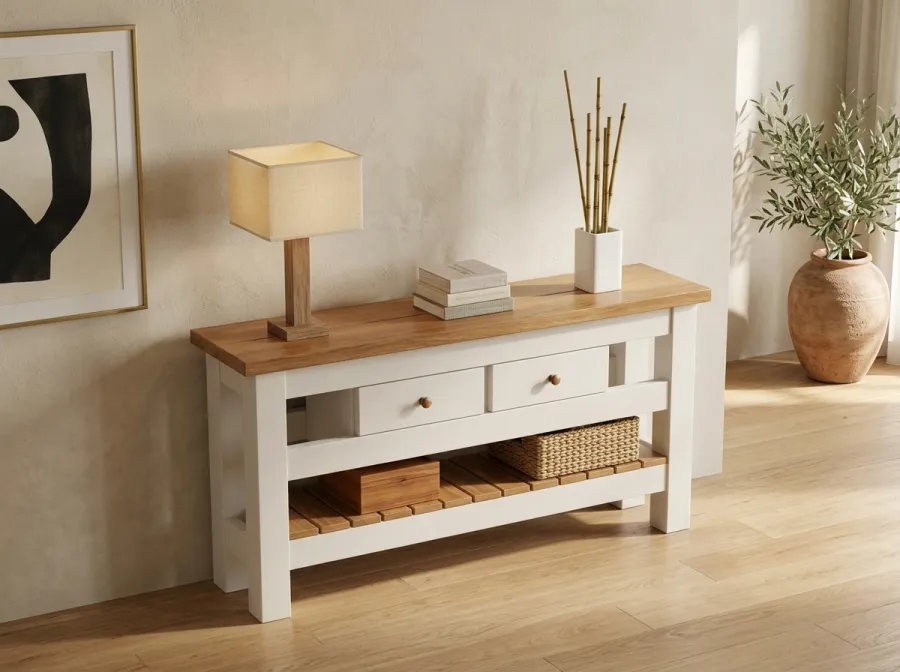
Tables and consoles. The Farmhouse Console plans cover a thick-topped console with a slatted shelf. Materials for the 48 in size are about $130 to $180. Finished consoles in the plan data are listed at about $599 to $5,330, which shows how wide the market is.
These are generic DIY plans, not engineered drawings, and the cost figures are planning estimates at typical home-center prices that vary by region. If you are unsure whether to build, our build cost hub compares building and buying across our plans, and the Complete Collection gives you every plan for $129.
Building is not always cheaper. At the low end of retail, a boxed piece can cost less than lumber, and your time has value. Building wins when you want a specific size, solid material you choose yourself or a piece that will be repaired rather than replaced.
When the plan does not exist
Not every design has a plan. If you have a piece in mind that none of our plans cover, you can request a custom dupe and describe the look, the size and where it will live. It is the easiest way to tell us what to write next.
A short checklist
- Write down the three features that make the original look expensive.
- Search by material, form and dimension rather than by brand.
- Verify the material, the joinery, the proportions and the finish on the listing.
- Read the lowest-rated feedback for recurring faults.
- Decide whether the piece is simple enough to build.
- If building, check the plan’s materials list against local lumber prices.
A good dupe is not a trick. It is a piece that is honest about what it is and gets the important parts right.
DIYDupe is not affiliated with, endorsed by or sponsored by any retailer named here. Product names are used only to describe a style.